First Crack
Bags The roast Freshness Subscribe Origins Shop this week’s roast

Origins

Six coffees. Six places on the line.

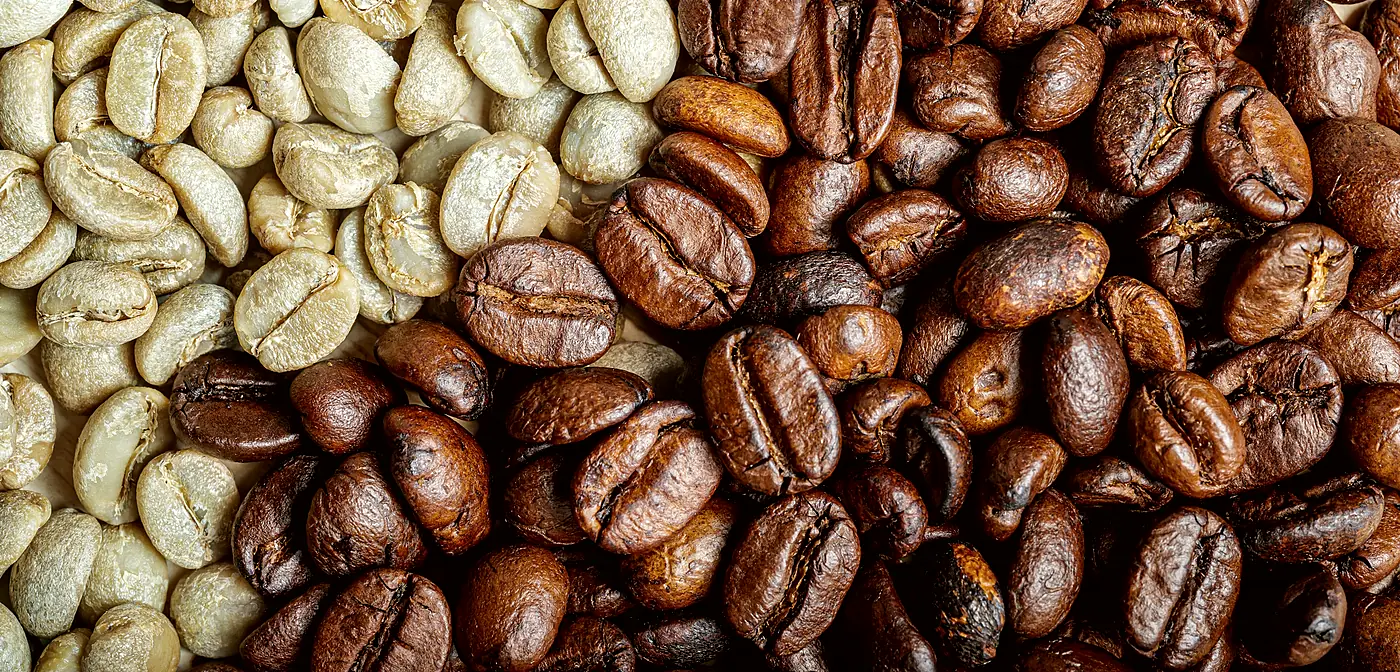
Every coffee we buy is dropped at its own point on the roast curve, chosen at the cupping table and held for the season. Below: the farm, the process, the altitude, and exactly where we stop the roast. Change your level and we tell you which of them are roasted there.

Ethiopia · WashedGuji, above Hambela

Picked by hand on farms of a hectare or two, fermented for thirty-six hours, dried on raised beds. The kind of lot that tastes like fruit before it tastes like coffee. We take it light and stop forty seconds after first crack, so the bergamot survives.

Variety
74158, local landrace
Altitude
2,050 – 2,200 m
Process
Washed, raised-bed dried
Cupping
Apricot, bergamot, black tea
SGD 24250 g · light · for filter
First crack 8:40Dropped 9:24 · 205°

Kenya · WashedNyeri, above Karatina

Double-washed, soaked overnight, dried slowly under shade. Kenyan coffee is savoury and sharp at once; this one is the reason people fall for it. The most expensive green on the table and the bag we would least like to run out of.

Variety
SL28, SL34
Altitude
1,750 m
Process
Washed, double fermentation
Cupping
Blackcurrant, tomato, brown sugar
SGD 26250 g · light · for filter

First crack 8:44Dropped 9:36 · 207°

Colombia · WashedHuila, one farm above Pitalito

The bag we sell most of. Clean, sweet, forgiving of your grinder and your water. If you only buy one, buy this. Dropped a minute and a half after first crack, where the apple turns to caramel and the acidity stops arguing.

Variety
Caturra, Castillo
Altitude
1,650 m
Process
Washed, patio dried
Cupping
Red apple, panela, cocoa
SGD 22250 g · medium · filter or espresso

First crack 8:38Dropped 10:18 · 213°

Brazil · NaturalCerrado, a family fazenda near Patrocínio

Dried whole in the cherry, so the fruit sugars soak into the bean. Low acidity, big body, the espresso that makes a flat white taste like dessert. Dropped later than the Huila, just short of where chocolate becomes char.

Variety
Yellow Catuaí
Altitude
1,100 m
Process
Natural, dried in the cherry
Cupping
Hazelnut, milk chocolate, dried fig
SGD 20250 g · medium · for espresso

First crack 8:42Dropped 10:36 · 216°

Sumatra · Wet-hulledKerinci, a cooperative on the volcano

Hulled while still wet, which is why Sumatra tastes like nowhere else: earthy, heavy, almost savoury. Taken dark on purpose, nearly to second crack, because that is where the cedar and the molasses live. The bag for milk.

Variety
Andung Sari, Sigarar Utang
Altitude
1,400 – 1,600 m
Process
Giling basah, wet-hulled
Cupping
Cedar, dark chocolate, molasses
SGD 22250 g · dark · espresso and milk

First crack 8:40Dropped 11:24 · 222°

Blend · Post-roastThe Dawn: Huila and Cerrado

The blend for people who want the same cup every day. Two of our medium roasts, each dropped where it should be and blended afterwards, so neither is compromised for the other. Kraft bag, because it is the everyday one.

Components
60% Huila, 40% Cerrado
Altitude
1,100 – 1,650 m
Process
Washed and natural
Cupping
Toffee, red apple, milk chocolate
SGD 19250 g · medium · anything

First crack 8:40Dropped 10:30 · 215°

Brewing

Three recipes we actually use.

Ratios are by weight. Water just off the boil for light roasts, a little cooler for dark. Grind is the variable you own; if it tastes sour go finer, if it tastes bitter go coarser.

Pour-over

Ratio
1 : 16
Dose
15 g / 240 g
Water
94 °C
Time
2:45 – 3:15

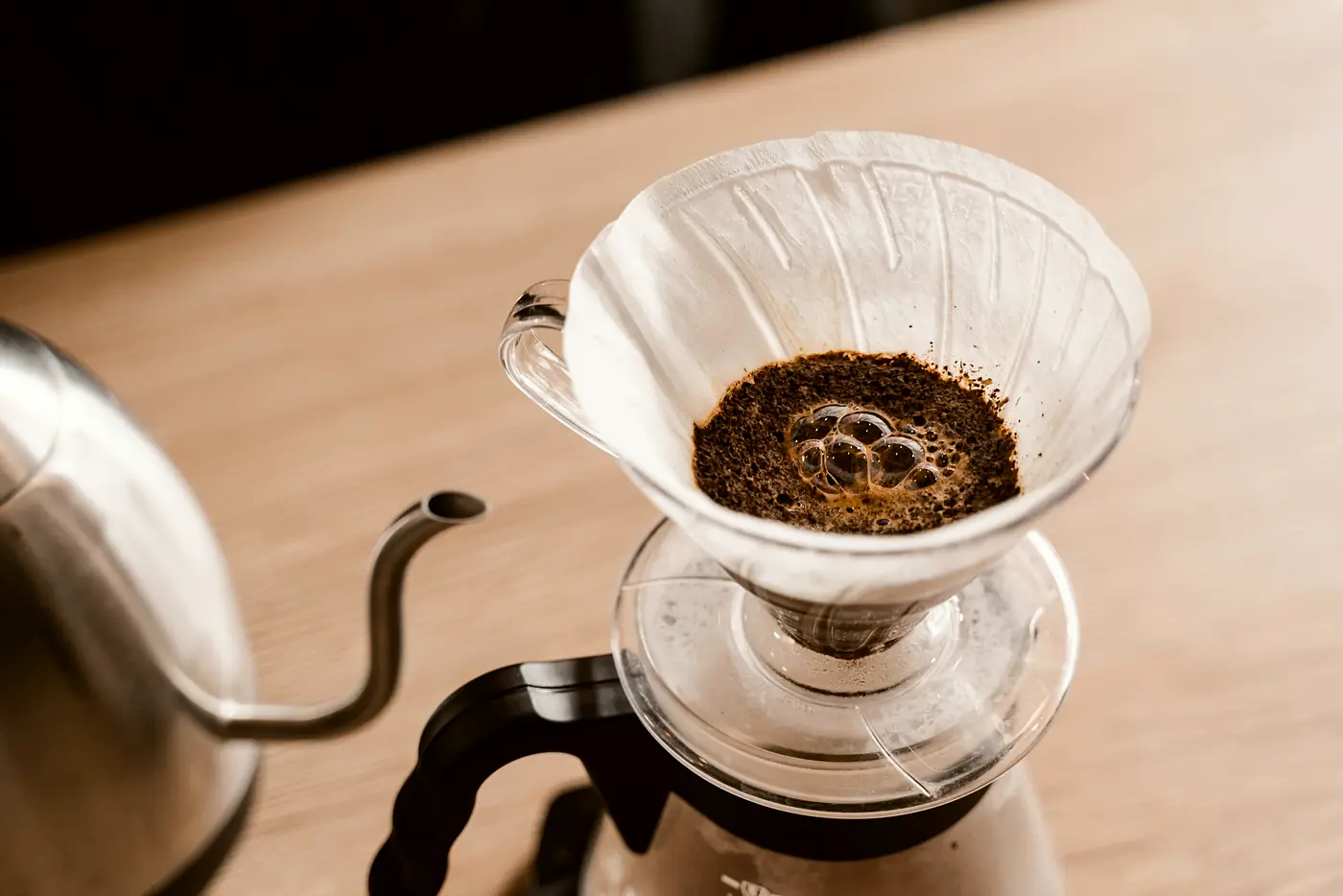
Bloom with twice the coffee’s weight for forty seconds, then two even pours. Best for the Guji and the Nyeri.

Espresso

Ratio
1 : 2
Dose
18 g / 36 g
Water
93 °C
Time
26 – 30 s

Rest the bag ten days first. The Cerrado and the Kerinci were dropped for this; the Huila gets there with a slightly longer shot.

French press

Ratio
1 : 14
Dose
30 g / 420 g
Water
92 °C
Time
4:00, then break the crust

Coarse grind, no plunge until you pour. The Dawn was built for this and for the moka pot.