BLOOM.
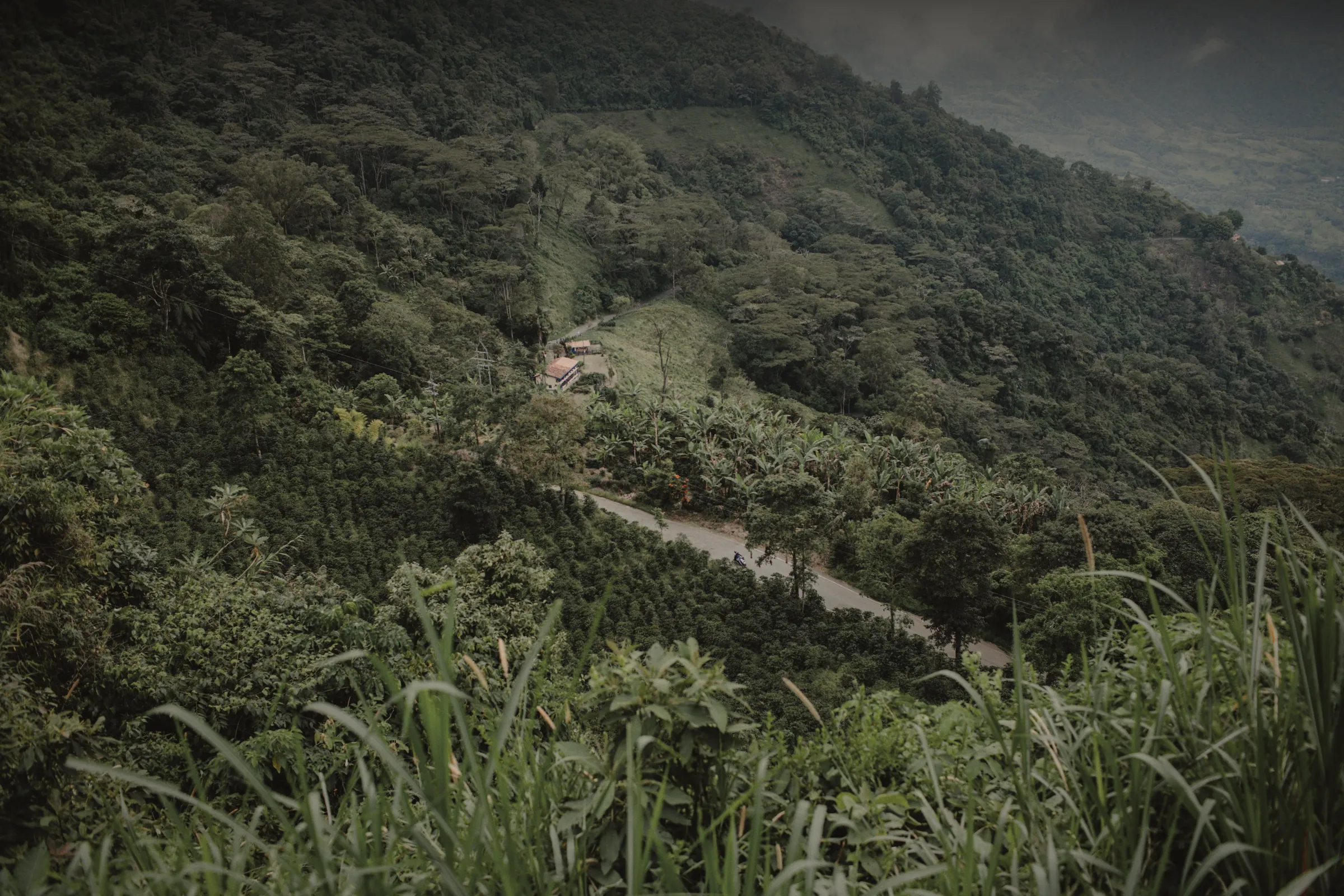
A steep, forested hillside of coffee and shade trees, a small farmhouse and a dirt road cut into the slope, cloud on the ridge above.

The lot · Lot 03 · Harvest 2026

Alto de las Guacharacas

One slope above Gaitania, in the far south of Tolima. Nine hectares, one family, and a whole harvest bought before a cherry was picked.

Altitude
1,880–1,960 m
Variety
Caturra
Process
Washed, 36 h dry ferment
Drying
18 days, raised beds
Picked
May – July 2026
Lot
3,500 kg green

The farm

A ridge named after a noisy bird.

Guacharacas are the chachalacas that shout from the shade trees at first light. The ridge has been called after them for longer than anyone on it can remember, and Aurora Tique’s family has farmed the top of it since 1994.

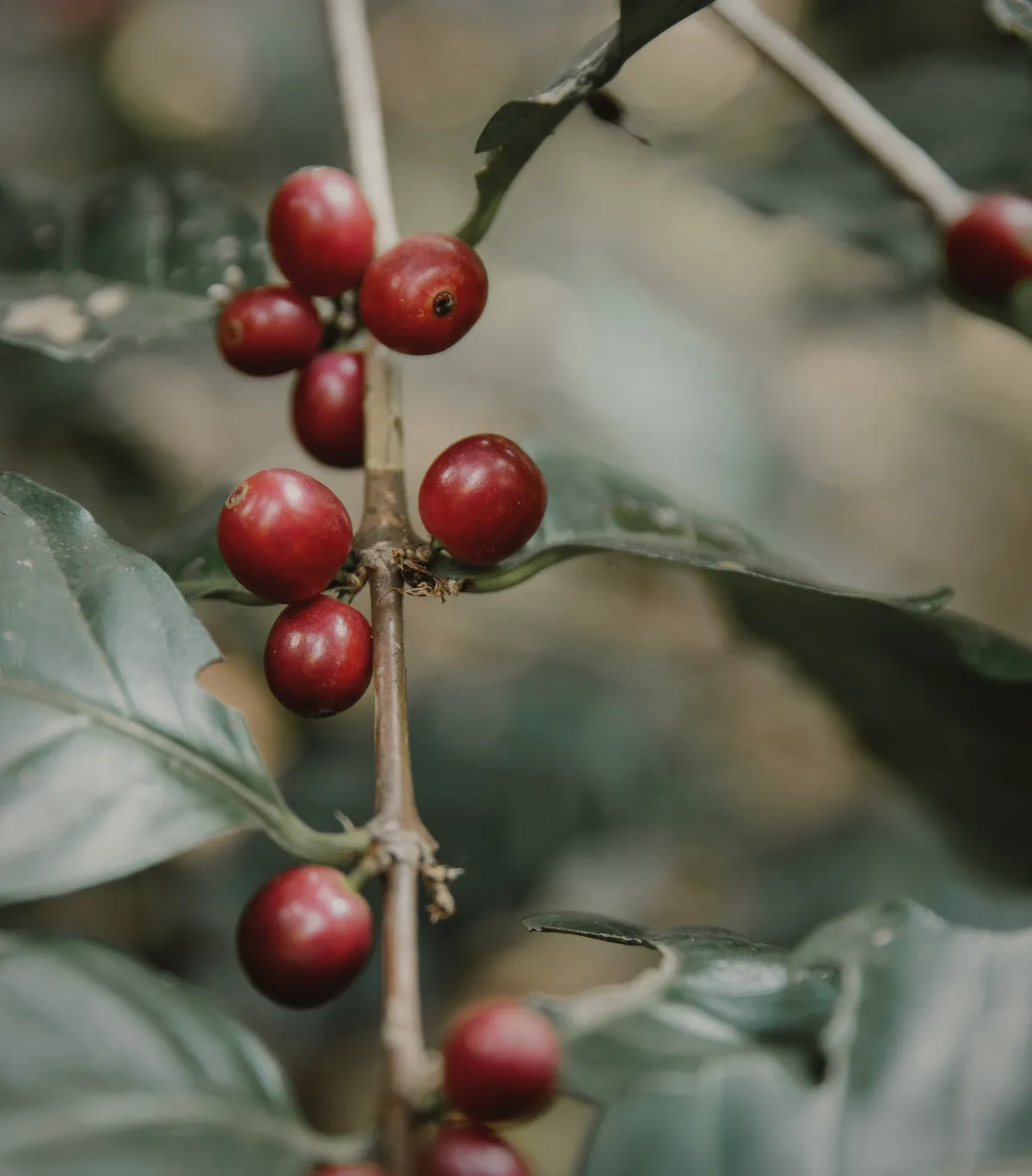
A single coffee branch hung with ripe red cherries, glossy leaves on either side.
Caturra on the upper terrace, the second week of June.

Nine hectares, almost all of it steep

Nothing on this farm is reached by vehicle. Cherry comes down the slope on people’s backs to a wet mill beside the house, and it is pulped the same afternoon it is picked.

It is all Caturra: a short tree that suits the slope, with a sweet, red-fruited cup that the altitude keeps bright. Aurora grows it under guamo and plantain for shade, which slows the cherry down and gives the sugars longer to build.

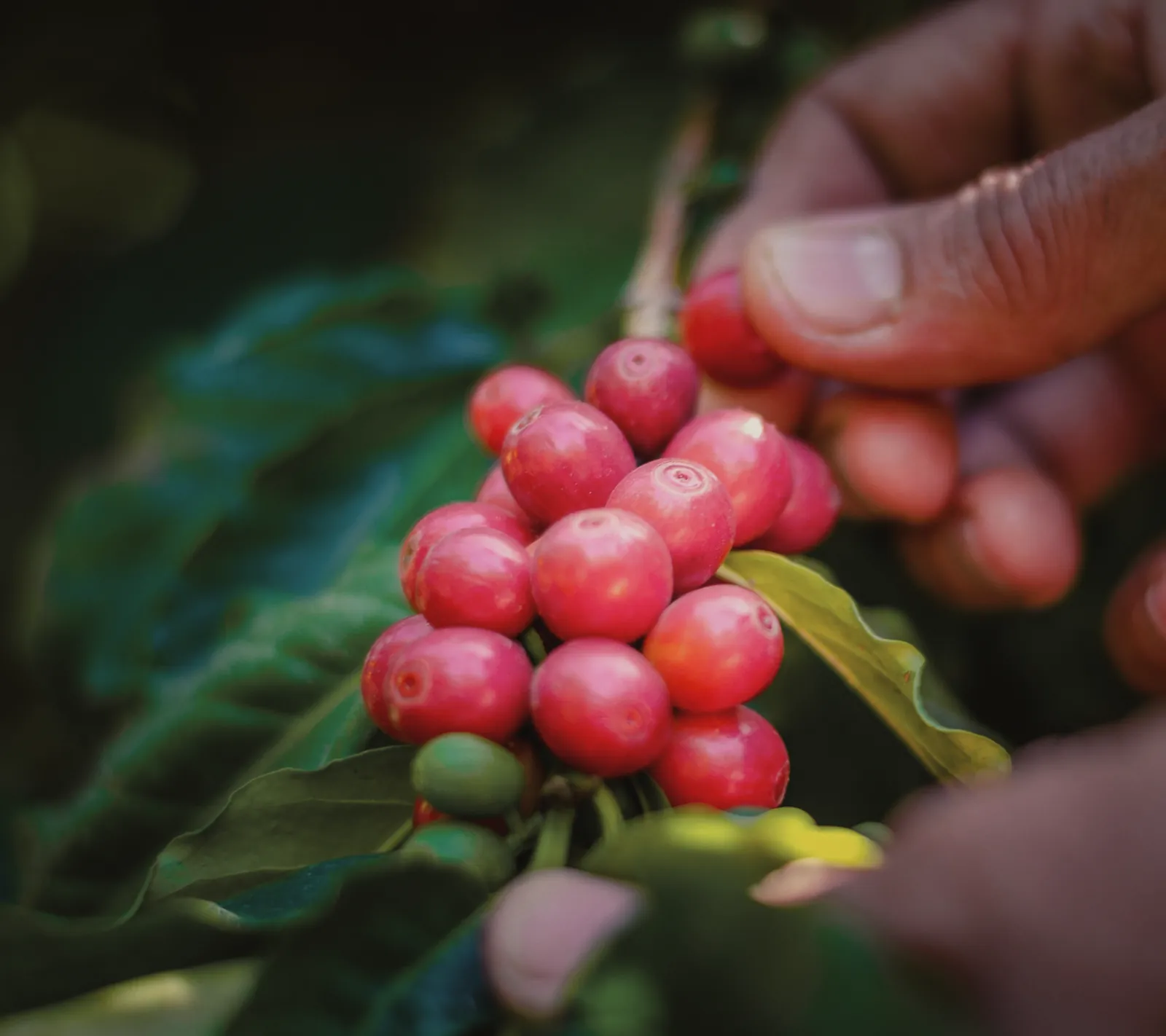
Close-up of fingers picking a cluster of ripe red coffee cherries from the branch.
The only colour that gets picked.

Five passes, only the red ones

A coffee tree does not ripen all at once. The pickers go through every row five times between May and July and take only the cherries that are fully red.

It is slower and costs more than stripping a branch in one go. It is also most of the reason the cup tastes of fruit rather than of paper, so it is written into what we pay: US$9.80 a kilo of green, agreed in February.

The wet mill

Pulped the same day, dried for eighteen.

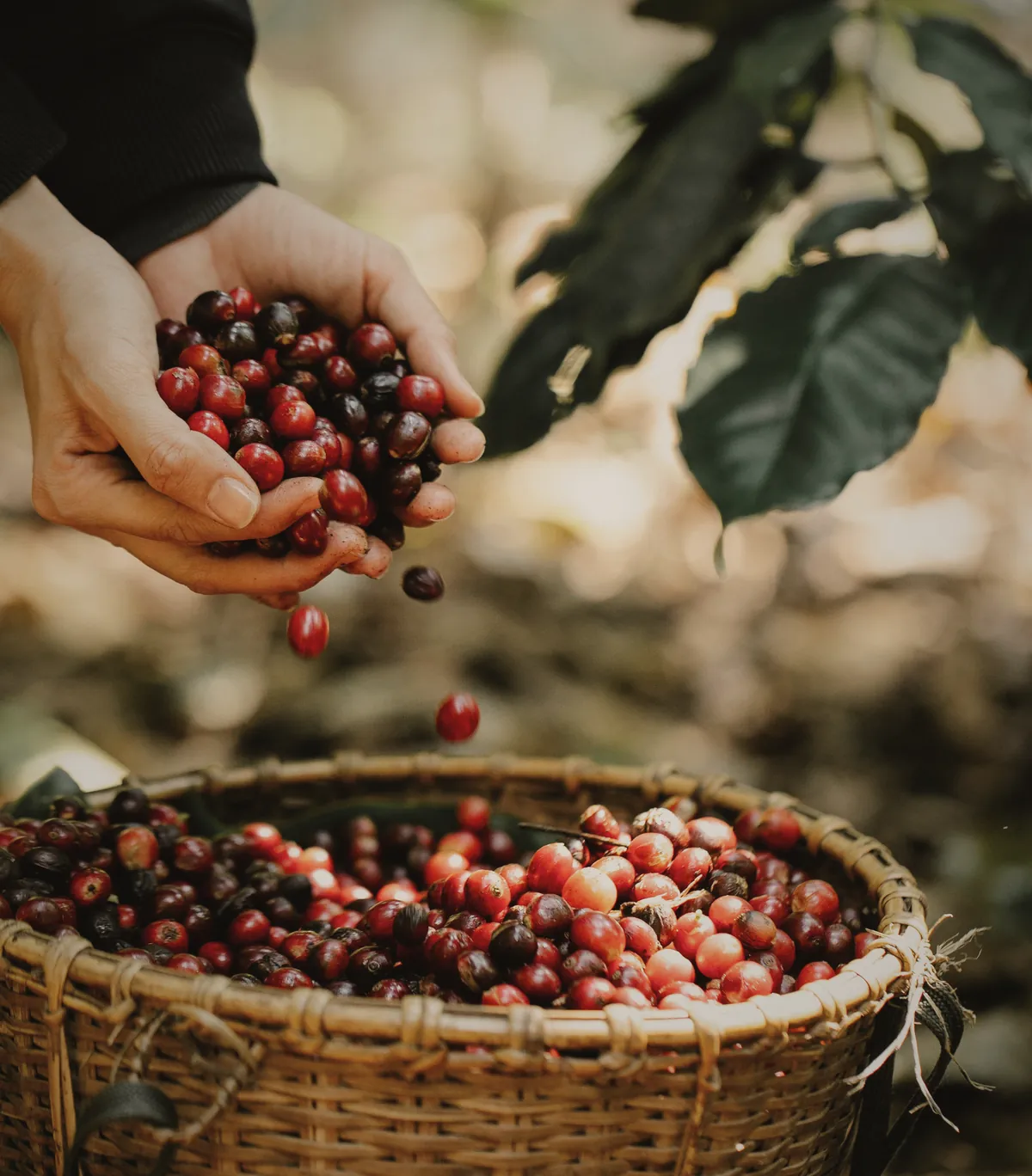
Two hands letting a handful of red and dark cherries fall into a woven basket that is nearly full.
A picker’s basket holds about 12 kilos of cherry.

From basket to tank

The cherry is floated to take off the light and damaged fruit, pulped, and left dry in a tiled tank for thirty-six hours while the mucilage breaks down.

Then it is washed in channels until the parchment squeaks. That is the actual test: someone pushes a hand through the beans and listens.
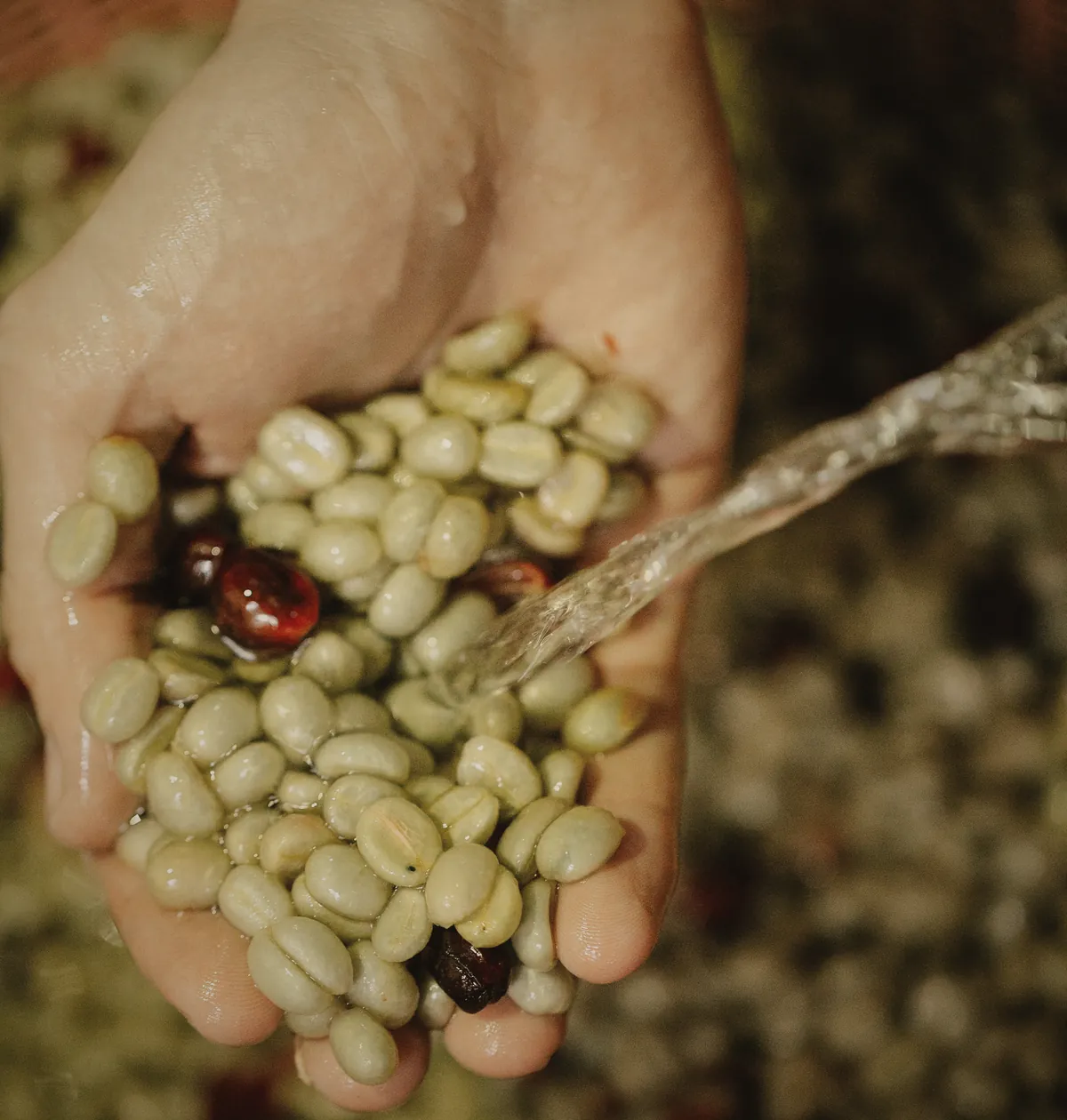
Water poured over a handful of washed coffee beans, pale and slick, one dark cherry still among them.
Washed parchment. The odd dark one comes out by hand.

Washed, and then left alone

Washed coffees taste of the place more than of the process. That is why we buy them: one coffee all year has to be one you do not get tired of.

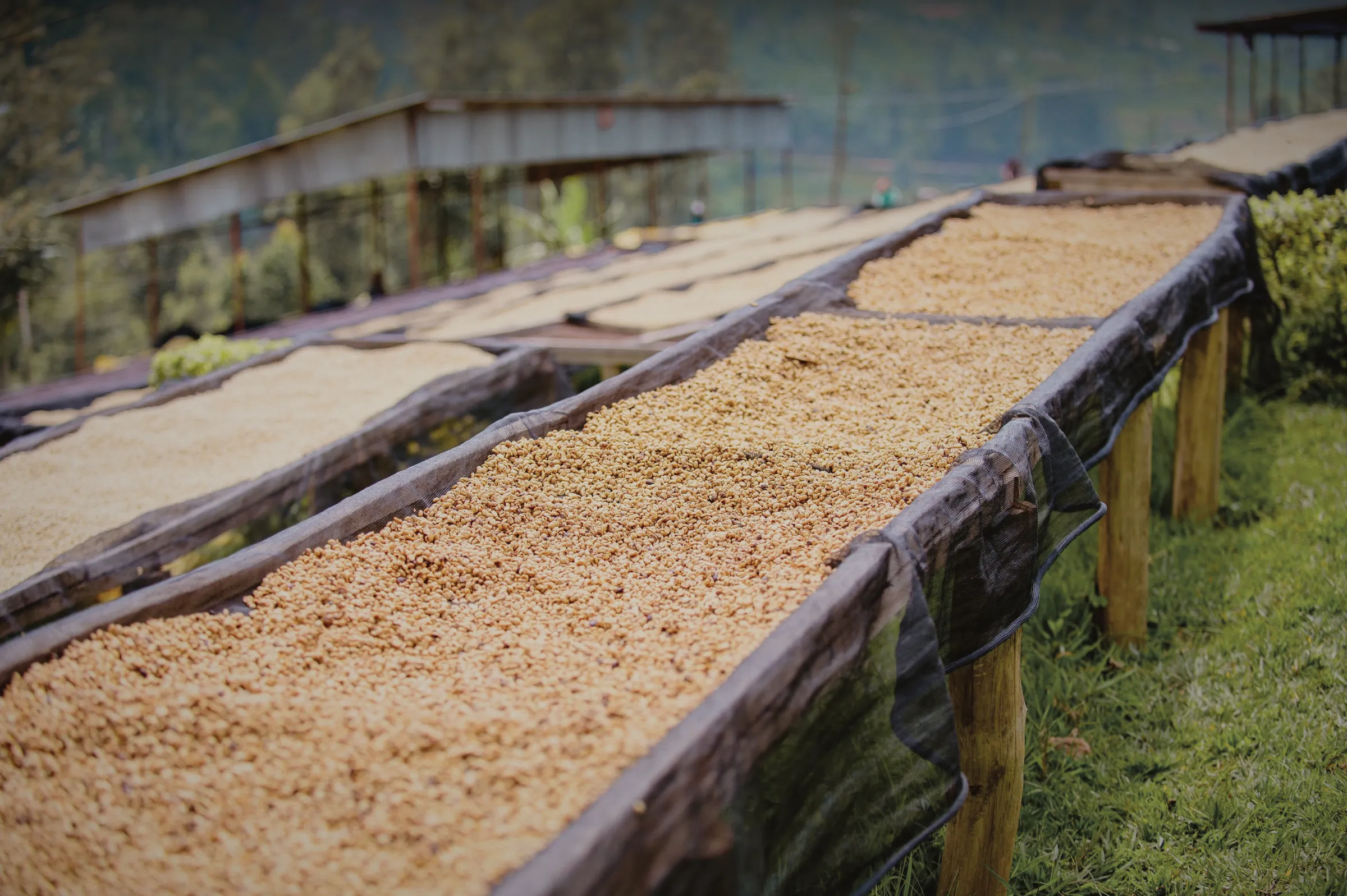
The parchment dries under plastic on raised beds for eighteen days, turned four times a day, until it reaches 10.5 per cent moisture.

Long raised drying beds of pale parchment coffee under a shelter, a green hillside behind.
The beds by the house. Eighteen days, turned four times a day.

The arithmetic

Why one lot lasts a year.

Green coffee keeps for about a year in the right room. Roasted coffee keeps for about a month. So we buy the whole harvest, keep it green, and roast only what one week will drink.

Bought3,500kg50 sacks of 70 kg, every kilo from this ridge.
Lost in the roast14%Water and chaff. A light filter roast loses less than a dark one.
Roasted3,010kgWhat is left to drink.
In bags12,040bagsAt 250 g a bag.
Every Monday247bags6 batches of 12 kg green, 72 kg a week.
It lasts49MondaysThen Lot 04 arrives, and we tell you what it is four weeks before the first bag of it.
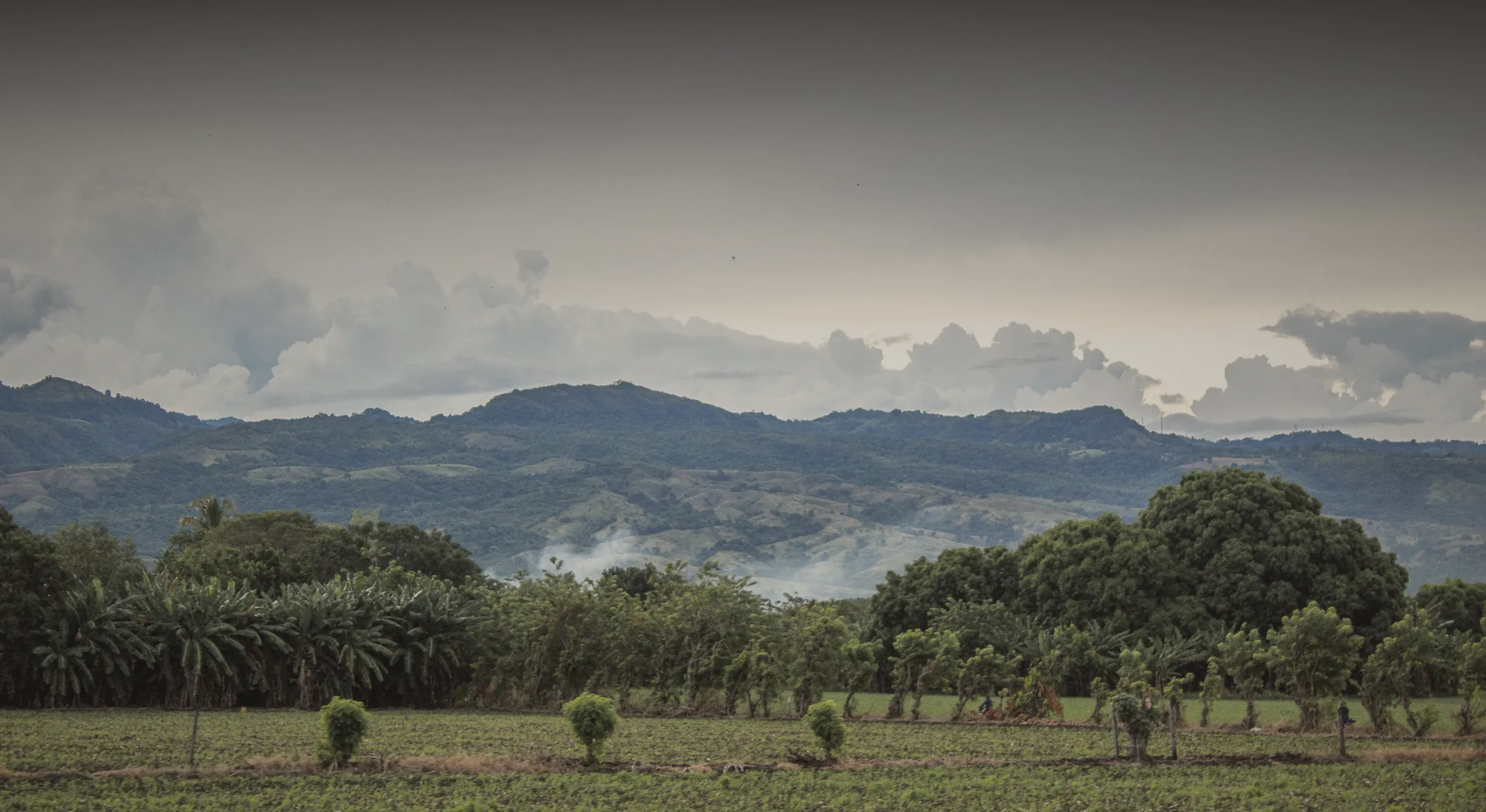
A valley under low cloud, forested ridges in the distance and mist rising from the trees.
Looking north from the road down to Gaitania.

In the cup

Red grape, panela, a twist of orange.

Sweet first, like the raw cane sugar it tastes of, then red fruit, and a clean finish closer to black tea than to anything roasted.

It is at its best between day 4 and day 30. Before that it is too lively to extract evenly; after it, you can taste the flatness you saw on the right-hand dripper.

Get a bag in the next roast